Table of Contents
Footprints From The Past… Place Lane
Footpaths 23 &25
Compton crossroads to Compton Lock
How often have you walked down Place Lane to Compton Lock and thought of who has been this way before? This is an ancient route, probably pre- Roman, but an important one for the Compton community.
It could have been an offshoot from the Celtic Ridge Way at High Cross coming down footpath 35 through Compton Street, crossing the river valley where Compton Lock is now situated. At this point it is likely that Compton Mill once stood, dating back pre 1300.
The name “place” could have derived from the Anglo-Saxon “plaesce” meaning marshy or possibly, enclosed.[1]C.Corcoran 2015 “The Five Mills of Twyford”
The route was altered slightly where the motorway crosses and previously the A33 before regaining its direction underneath the railway.
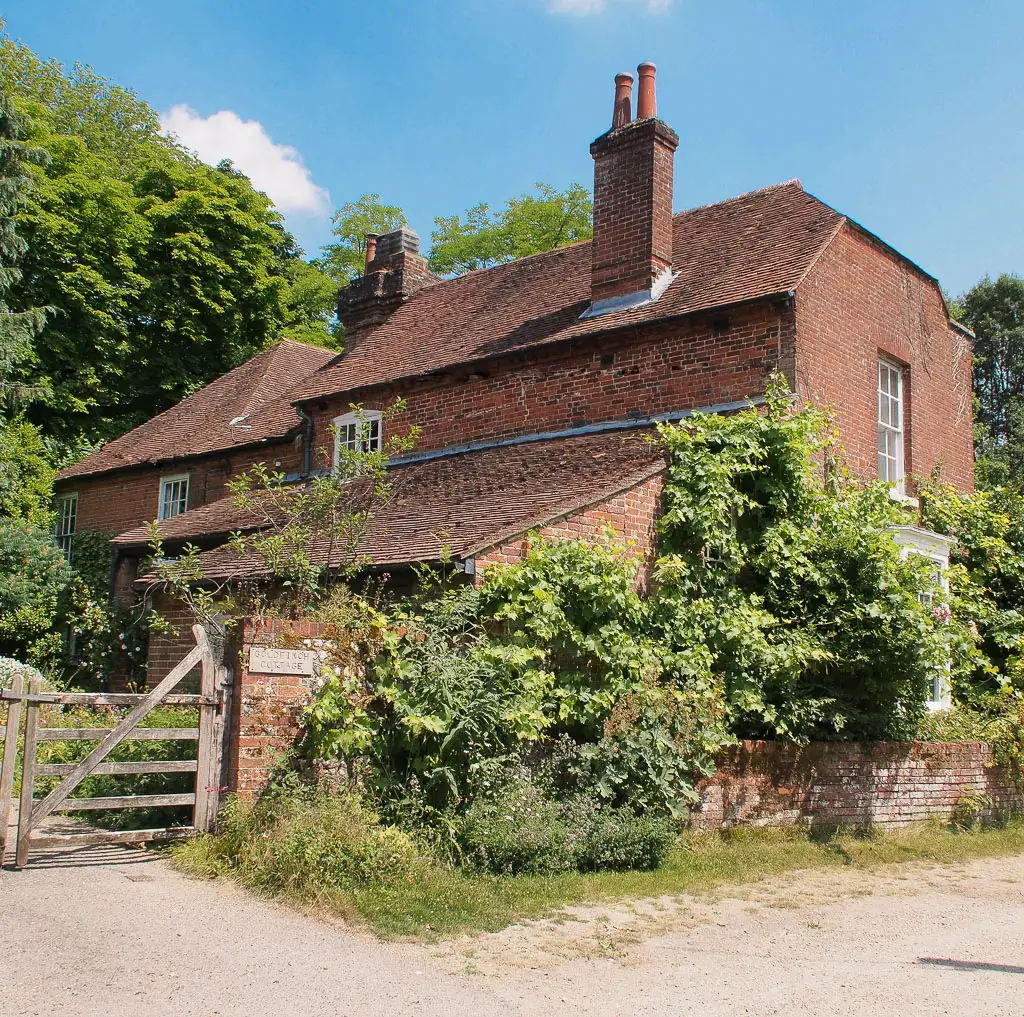
On the first part of the Lane sits Compton Manor(Farm) House with Goldfinch Cottage. The House may predate 1362, but the fascia is from the Queen Anne period, early 18th century.
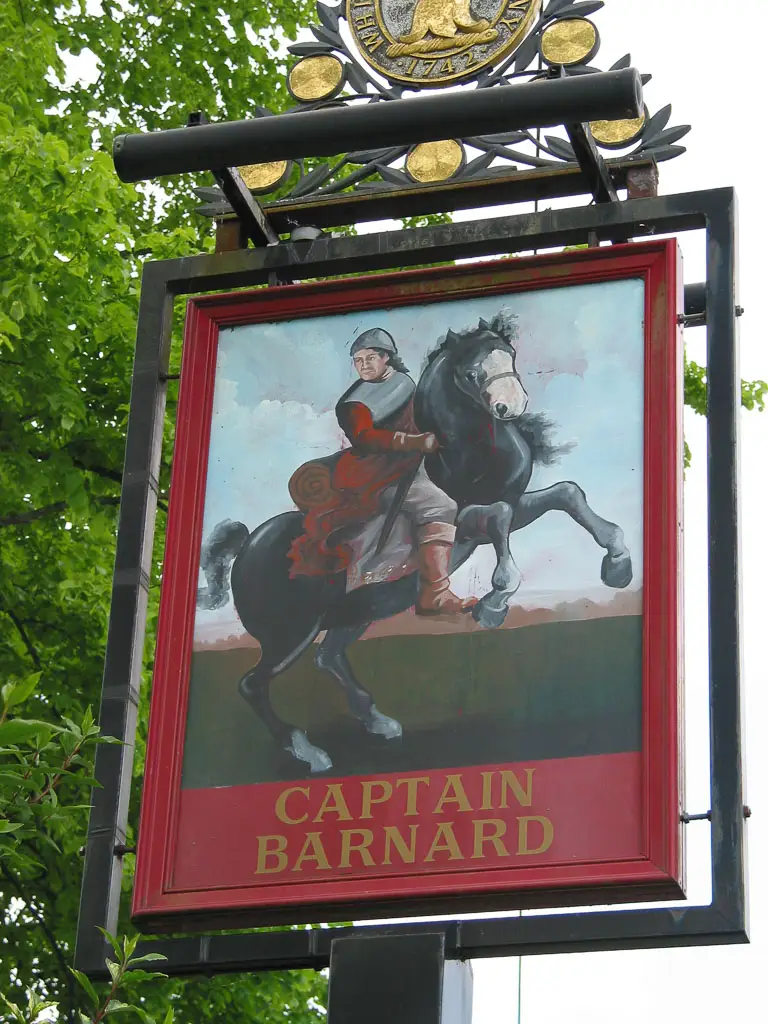
Drew(1939), Clegg (1963) and Whitaker(1985)[2]See the Resources page for details of the Drew and Whitaker references quote a wonderful story[3]a slightly different and possibly more plausible version appeared in the Hampshire Advertiser 6 February 1858 about this house and the Goldfinch family, who lived here between 1596 and 1868. In 1645, during the Civil War, Captain Barnard (remembered at the Inn on the Otterbourne Road, no longer in existence.) was in command of a company of Roundheads billeted at the House, prior to advancing on Winchester. He found his men on the point of eating a feast prepared by the Goldfinches in honour of the birth of their son. He intervened to prevent this outrage, and in return asked that the boy be christened “Barnard”. This duly happened.
When you follow Place Lane under the railway bridge you are on the drive to Compton Place. This is on the left hand side and is “place of antiquity”, a scheduled monument under the Ancient Monuments and Archaeological Area Act of 1979.
As a moated site, it survives as an area of low earth works surrounded by a moat. It dates back to the Norman period(1250-1350) when such sites were a status symbol. Here there was probably an early manor house with chapel, inhabited by the Wascelyn, Thorncombe and Wodeloke families in turn. The village was once called Compton-Wascelyn.
From 1455, a Tudor Manor House stood here, occupied by the staunchly Catholic, Philpott family.
However, one of their sons, John Philpott, became an Anglican priest and archdeacon of Winchester. In 1555, in the reign of Catholic Queen Mary, he refused to recant his beliefs and was burnt at the stake in London. He is dramatically honoured by a golden circle of flame around his head in a fine family-tree of 1620.
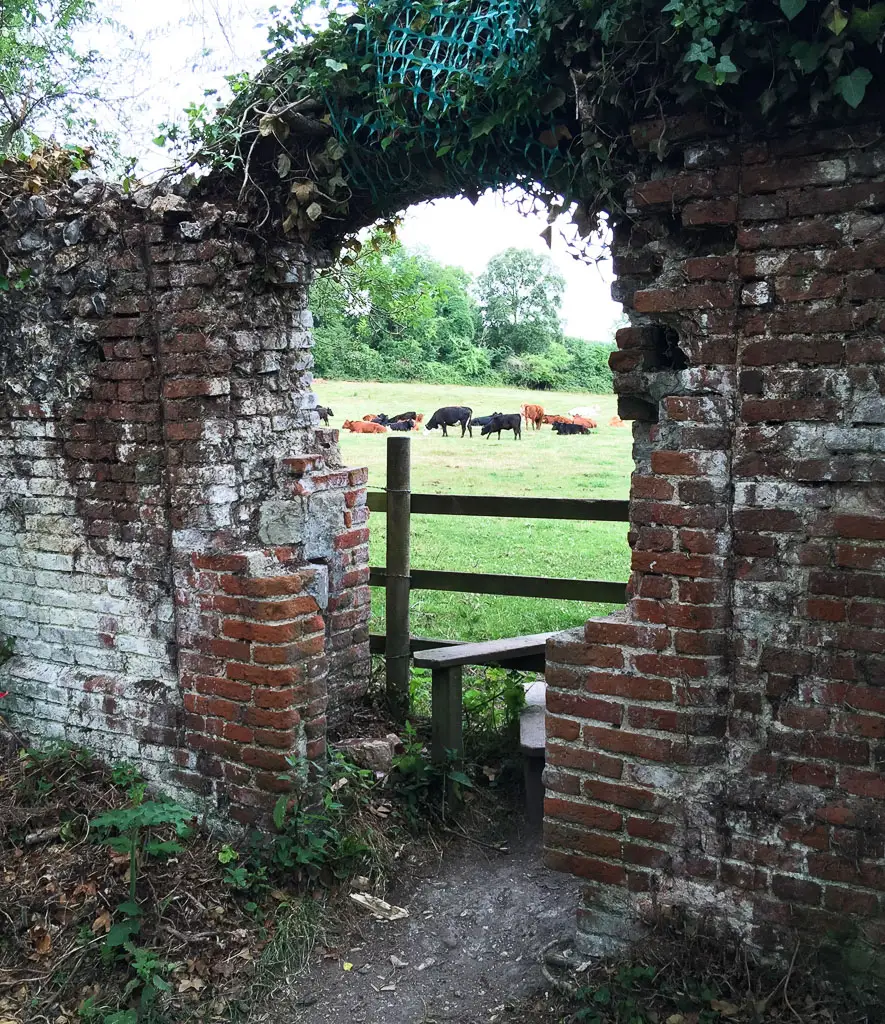
The House was demolished in 1700 and the only, highly significant, evidence above ground is the 16th century brick and flint wall and gate alongside the footpath. There are plans to stabilise the wall, remove vegetation for expert examination and appropriate renovation. Funds will be needed for this work.
John Wilkinson.OBE.
Footpaths & Environment Representative C&SPC.
This article appeared in the August 2015 issue of the Compton & Shawford Parish Magazine
Amended in November 2025 to remove the assertion that Barnard Goldfinch was buried at All Saints Compton.
Hampshire Advertiser Saturday 6 February 1858
Summary of the article from the Hampshire Advertiser of that date[4]the same story appears in The Civil War in Hampshire (1642-45) and the story of Basing House, by Rev. G. N. Godwin B.D. 1904 Edition and The Goldfinch Family of Compton on the Parsons family history … Continue reading:
Workmen repairing Compton’s Norman church had uncovered an ancient tombstone to the memory of “Elizabeth and her child, the wife of Barnard Goldfinch” who died in 1683.
This find remarkably corroborated a long-held family tradition.
During Cromwell’s 1645 siege of Winchester, Roundhead soldiers were quartered with farmer Goldfinch whose family had lived in the old Manor House for centuries and whose wife was heavily pregnant. Rather than drink the normal home brew, the soldiers were demanding the “celebration barrel” of strong beer brewed specially for the anticipated christening.
The farmer appealed to their officer, a man named Barnard, who agreed to protect the beer on the condition that if the child were a boy he would be named Barnard.
The child was indeed a boy, and was christened Barnard, breaking the family’s tradition of naming first-born sons Richard.
Barnard Goldfinch
Barnard Goldfinch grew up in Compton and lived there for a while after he married.
After his father Richard died in 1682 Barnard became a churchwarden. Following his wife’s death he moved to Southampton, where he remarried in 1686 and began a second family. For more information, visit mikeparsons.org.uk.
References
| ↑1 | C.Corcoran 2015 “The Five Mills of Twyford” |
|---|---|
| ↑2 | See the Resources page for details of the Drew and Whitaker references |
| ↑3 | a slightly different and possibly more plausible version appeared in the Hampshire Advertiser 6 February 1858 |
| ↑4 | the same story appears in The Civil War in Hampshire (1642-45) and the story of Basing House, by Rev. G. N. Godwin B.D. 1904 Edition and The Goldfinch Family of Compton on the Parsons family history website |